A roof replacement usually starts the same way in Alabama – a few missing shingles after a storm, a ceiling stain that was not there last week, or a neighbor saying, “You may want to get that checked.” For most homeowners, this residential roof replacement guide is not about shopping for a luxury upgrade. It is about protecting your home, understanding your options, and making a smart decision without getting pushed into the wrong one.
If your roof is aging or has taken storm damage, the stakes are high. A delayed decision can lead to decking damage, interior leaks, mold, and insurance complications. On the other hand, rushing into a contract without a clear inspection or claim strategy can cost you just as much. The right approach is simple, but it needs to be handled in the right order.
When a roof replacement makes sense
Not every damaged roof needs full replacement. Some roofs can be repaired effectively if the damage is isolated and the surrounding system is still in good condition. A small section of lifted shingles after a wind event, for example, may be a repair issue if the rest of the roof has years of life left.
Replacement becomes more likely when damage is widespread, the roof is near the end of its service life, or matching materials are no longer available. It also makes sense when repeated repairs are starting to add up. If you have already patched multiple areas and still deal with leaks or visible wear, a full replacement may be the more cost-effective choice.
Storm damage changes the equation. Hail can bruise shingles in ways that are not obvious from the ground, and strong wind can break the seal that keeps shingles properly secured. What looks minor from the driveway can turn into a much larger issue once a trained contractor gets on the roof.
Start with an inspection, not a sales pitch
The first step in any residential roof replacement guide should be a professional inspection. That sounds basic, but many homeowners still get pressured into signing paperwork before they have a clear picture of the damage.
A proper inspection should document the condition of the shingles, flashing, vents, valleys, ridge components, and any soft spots or signs of water intrusion. If storm damage is involved, the inspection should also identify whether the damage appears consistent with an insurable event. Photos matter here. Clear documentation helps you make a decision and can become critical if you file a claim.
A no-pressure inspection is especially valuable after major storms in the Tuscaloosa and Birmingham areas, where out-of-town contractors often show up fast and leave just as fast. A trustworthy local contractor should be willing to explain what they found, answer questions directly, and tell you if a repair is still a reasonable option.
Understanding insurance and roof replacement
For many Alabama homeowners, insurance is a major part of the roof replacement process. That is where things can get confusing quickly.
If your roof was damaged by a covered storm event, your policy may help pay for replacement, minus your deductible and subject to policy terms. If the roof is simply old and worn out, insurance generally will not cover replacement. That distinction matters. Age-related wear and storm-caused damage can look similar to an untrained eye, which is one reason documentation and inspection quality are so important.
The claims process often includes an inspection by your carrier, an estimate, and possible follow-up communication if there are disagreements about scope. This is where contractor experience matters. A roofing company that understands both installation and claim documentation can help homeowners avoid common delays, missed damage items, and under-scoped estimates.
That does not mean every claim gets approved. It depends on the policy, the date of loss, the condition of the roof before the storm, and what the evidence shows. But homeowners are usually in a stronger position when they have a contractor who can clearly document damage and communicate professionally about the needed scope of work. Bluefin Exteriors LLC has built much of its work around that exact need.
Choosing the right roofing material
Material choice affects cost, appearance, lifespan, and how your home performs over time. The best option depends on your budget, your neighborhood, your roof design, and how long you plan to stay in the home.
Asphalt shingles are the most common residential option because they offer a strong balance of affordability and performance. They come in a range of styles and colors, and many are built to handle wind better than older shingle products. For most homeowners, shingles are the practical choice.
Metal roofing appeals to homeowners who want longer service life and a different look. It can perform very well in Alabama weather, but the upfront investment is usually higher. Installation also matters more than people realize. A good metal roof can be an excellent system. A poorly installed one can become an expensive headache.
If your insurer is paying for replacement, your material options may depend on policy provisions and what was already on the home. Some upgrades may be available, but that is something to discuss before finalizing scope and contract terms.
What affects roof replacement cost
Homeowners often ask for a price before anything else, but roof replacement is not a one-size-fits-all service. Cost depends on roof size, pitch, material type, ventilation needs, underlayment, flashing details, and whether damaged decking needs to be replaced.
Steeper roofs usually cost more because they take more labor and safety setup. Complex rooflines with multiple valleys, penetrations, and elevation changes also add time and material. If storm damage allowed water into the decking, some wood replacement may be necessary once the old roof is removed.
That is why a reliable estimate should be detailed. It should explain what is included, what assumptions are being made, and what could change once the tear-off begins. The cheapest number is not always the best value if it leaves out critical components of the roofing system.
What the replacement process should look like
A well-run roof replacement should feel organized, not chaotic. After inspection and scope approval, materials are ordered, scheduling is confirmed, and your property should be prepared before work begins.
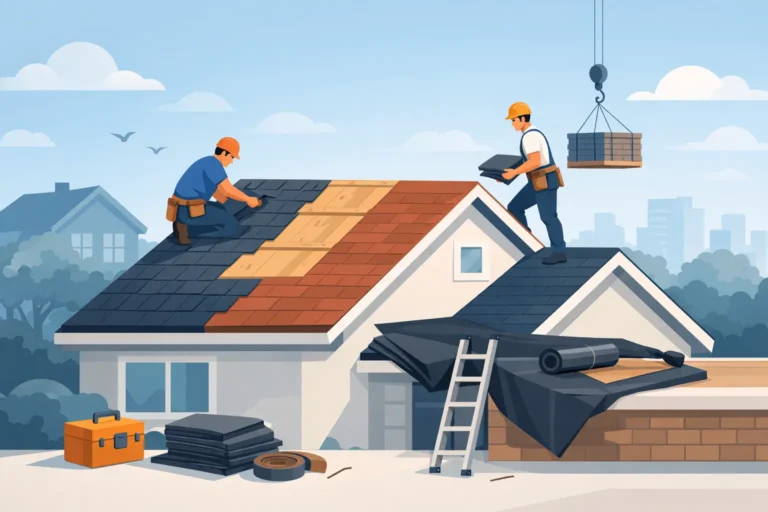
On installation day, the crew removes the old roofing materials, inspects the decking, and installs the new system from the deck up. That includes underlayment, starter materials, shingles or panels, flashing, ventilation components, and ridge finishing products. Good workmanship is not just about what you see from the street. It is also about the layers underneath that prevent leaks and improve roof life.
Cleanup matters more than many homeowners expect. Roofing is messy work, but your contractor should still protect landscaping, manage debris, and use magnetic tools to collect nails from the yard and driveway. A clean job site is part of professional service, not an extra.
Most residential replacements can be completed quickly if weather cooperates, but timelines vary. A straightforward shingle roof may take a day or two. Larger or more complex projects can take longer. Rain, material availability, and insurance supplements can affect the schedule.
Mistakes homeowners should avoid
One common mistake is waiting too long after a storm. Insurance policies often have time limits for reporting damage, and minor issues can get worse while you wait.
Another is choosing based only on price. A low bid may leave out ventilation upgrades, proper flashing replacement, or other items that protect the home long term. It is also risky to sign with a contractor who cannot clearly explain licensing, insurance coverage, warranty terms, or local project experience.
It is also wise to be careful with high-pressure promises. No contractor can honestly guarantee claim approval before inspection and carrier review. What they can do is inspect thoroughly, document properly, and help you understand the process.
A residential roof replacement guide should leave you with confidence
The best roof replacement experience is not the one with the fastest sales pitch. It is the one where you know what was damaged, why the proposed solution makes sense, what your insurance is likely to do, and who is responsible for the work once the crew leaves.
If your roof has storm damage or is simply showing its age, start with clear answers from a contractor who respects your time, your property, and your need for honest guidance. A good roof protects more than shingles and decking. It protects your peace of mind when the next storm rolls through.
