A roof usually does not fail all at once. Most of the time, it gives you warnings first—some obvious, some easy to miss until water starts showing up inside. If you are trying to spot the top signs a roof needs replacement, the goal is not to panic over every missing shingle. It is to know when small issues have turned into a bigger system problem that repairs may not solve.
That matters even more in Alabama, where strong winds, hail, heavy rain, and heat can wear down roofing faster than many property owners expect. A roof can look mostly fine from the driveway and still have storm-related damage, hidden moisture intrusion, or enough age-related deterioration to justify a full replacement. The right next step is a professional inspection, but it helps to know what to watch for before the damage spreads.
Top Signs Roof Needs Replacement after Storms
Storm damage is one of the most common reasons a roof needs to be replaced in Tuscaloosa, Birmingham, and surrounding areas. Not every storm leads to a full replacement, of course. Sometimes a repair is enough. But when wind or hail affects a large portion of the roof system, patching one section may only delay the bigger problem.
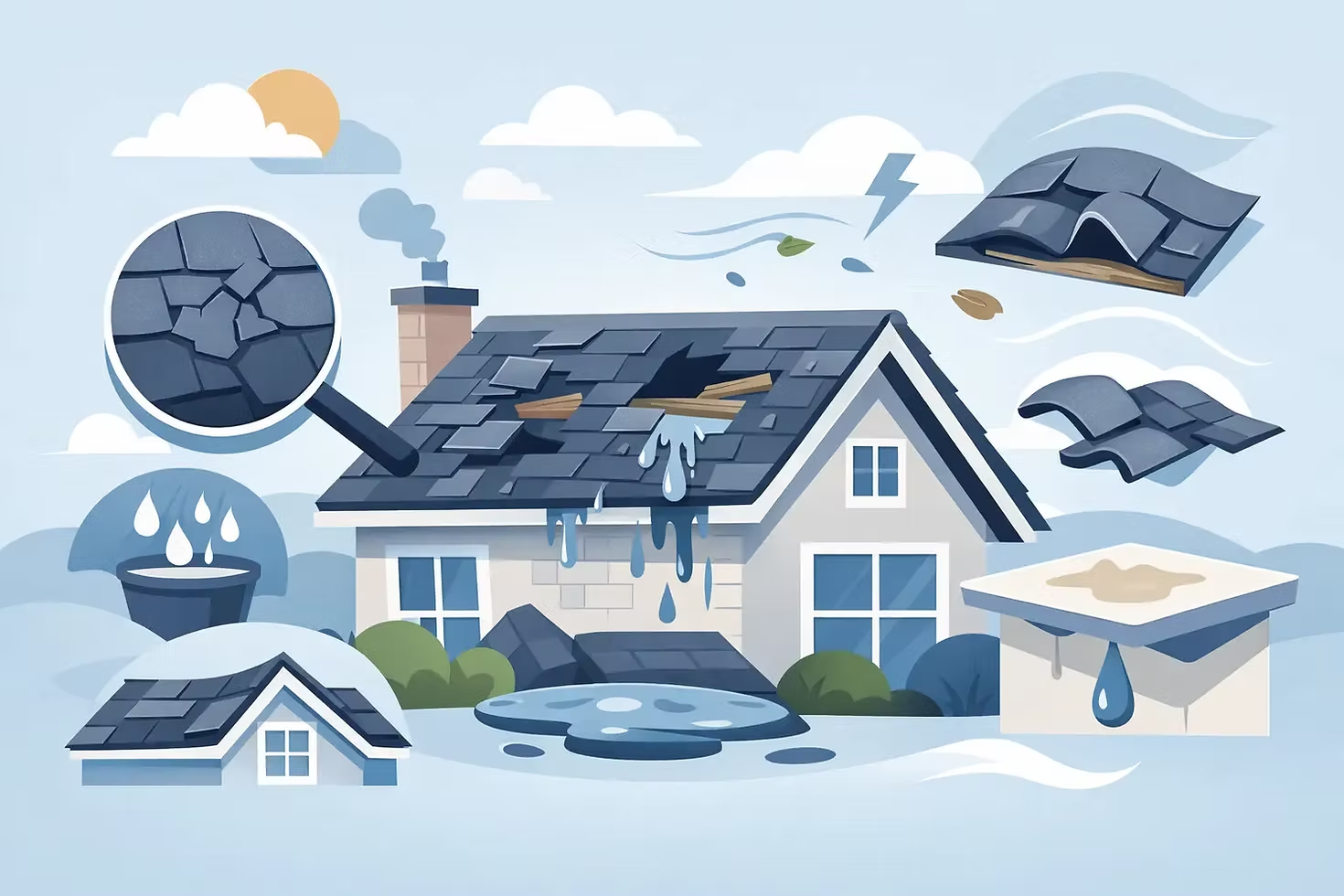
If you notice shingles missing after a storm, that is a clear sign the roof has been compromised. A few isolated shingles can sometimes be repaired, depending on the roof’s age and condition. But widespread shingle loss usually means the roof has lost the ability to protect the home evenly. Once the surface is no longer consistent, water can work its way into vulnerable areas during the next rain.
Hail damage can be harder to spot from the ground. You may not see dramatic holes or obvious tears, but impact marks can weaken shingles, knock off protective granules, and shorten the life of the roof. On metal roofing, hail may cause cosmetic dents or functional damage depending on seam condition, panel integrity, and whether flashing or fasteners were affected. A trained inspection is important here because storm damage and normal wear can look similar to an untrained eye.
Leaks after a storm are another strong indicator that replacement may be on the table. A single leak does not always mean the whole roof is done. But if water intrusion appears in multiple areas, or if the roof already had age-related wear before the storm, repair may not be the best long-term investment.
The Age of the Roof Still Matters
Even without major storm damage, roof age is one of the top signs a roof needs replacement. Asphalt shingle roofs often last around 15 to 30 years, depending on material quality, ventilation, installation, and weather exposure. Metal and commercial roofing systems can last longer, but they are not immune to failure.
If your roof is nearing the end of its expected lifespan, repairs start to become less cost-effective. That is especially true when new issues keep showing up every season. Replacing a few shingles on an aging roof may solve one visible problem while leaving brittle materials, worn sealants, and weakened underlayment in place.
Older roofs also create insurance questions. In some cases, a storm may damage a roof that was already near the end of its useful life. That does not automatically mean a claim will be denied, but documentation matters. This is where having a contractor who understands both roofing and the claims process can make the situation much easier to navigate.
Shingles Tell You a Lot about Roof Condition
Your shingles are one of the clearest visual indicators of whether repair or replacement makes more sense. Curling shingles often suggest long-term heat exposure, poor attic ventilation, or age-related deterioration. Once shingles begin curling at the edges or cupping in the middle, they are more vulnerable to wind uplift and water intrusion.
Cracked shingles are another warning sign. A few isolated cracks may be repairable, but widespread cracking usually points to a roof that has become dry, brittle, and less dependable overall. If shingles are losing granules in large amounts, that is also a problem. You might notice granules collecting in gutters or downspouts, or see dark, bare-looking patches on the roof surface.
Granule loss matters because those granules help protect shingles from UV exposure and weathering. Once that protective layer wears off, deterioration tends to speed up. On a newer roof, limited granule loss can be normal. On an older roof, heavy granule loss often means the material is nearing the end of its service life.
Interior Warning Signs You Should Not Ignore
Some of the most serious roofing problems show up inside the property first. Water stains on ceilings or walls are an obvious red flag, but they are not the only one. If you notice peeling paint near the roofline, damp insulation in the attic, moldy odors, or visible daylight coming through the roof boards, the roofing system needs attention right away.
An attic inspection can reveal problems before major interior damage develops. Look for moisture on rafters, dark staining on wood, sagging insulation, or signs of repeated leaks around vents and penetrations. If the attic feels excessively hot and humid, poor ventilation could be shortening the roof’s life as well.
The key point is this: interior symptoms usually mean the problem has moved beyond surface wear. By the time water appears inside, the roof may have already sustained enough damage that replacing the system is more practical than chasing leaks one repair at a time.
Sagging, Soft Spots, and Structural Concerns
A sagging roofline is one of the clearest signs that replacement should not be delayed. Sagging can indicate trapped moisture, rotted decking, structural weakness, or long-term water damage beneath the surface materials. This is not a cosmetic issue. It is a sign the roof system may no longer be performing safely.
Soft spots also deserve attention, especially on low-slope or commercial roofs. Ponding water on flat roofing systems such as TPO, PVC, or EPDM can lead to membrane deterioration and deck problems over time. Coatings may extend the life of some commercial systems, but not every roof is a good candidate. If moisture is already trapped below the membrane, replacement may be the smarter investment.
For residential and commercial properties alike, structural warning signs call for a prompt inspection. Waiting rarely makes this kind of problem cheaper.
When Repairs Stop Making Financial Sense
One of the hardest parts of roof decisions is knowing when a repair is still reasonable and when it is just postponing replacement. There is no one-size-fits-all answer. It depends on the age of the roof, the extent of damage, the type of roofing material, and whether the issues are isolated or widespread.
If you have repaired the same roof multiple times in recent years, that pattern matters. Frequent leaks, recurring shingle blow-offs, repeated flashing failures, and ongoing moisture problems usually point to a system-wide issue rather than a single weak spot. At that stage, continued repairs can cost more over time without giving you real peace of mind.
Matching materials can also be a challenge on older roofs. Even if a repair is technically possible, the replacement shingles or panels may not blend well, and the surrounding roof may be too worn to support a lasting fix. For many property owners, a full replacement becomes the cleaner and more dependable option.
Why a Professional Inspection Matters
The top signs that the roof needs replacement are not always obvious from the ground. Some roofs have visible storm damage. Others have hidden issues that only show up when a trained professional checks shingles, flashing, vents, valleys, decking condition, and attic ventilation together.
A good inspection should give you clarity, not pressure. You should come away understanding what was found, whether the damage looks repairable, whether insurance may be involved, and what the next step actually is. If a repair makes sense, that should be said clearly. If replacement is the better route, you should know why.
For Alabama property owners dealing with storm damage, this is also where documentation becomes valuable. Photos, measurements, and a clear scope of damage can make a major difference if you need to file or support an insurance claim. That is one reason many homeowners choose Bluefin Exteriors LLC—they want a roofing contractor who can inspect the damage and help make the claims side less confusing.
If your roof is showing multiple warning signs, do not wait for the next heavy rain to make the decision for you. A timely inspection can help you catch the problem early, protect the property, and move forward with a plan that makes sense for your roof and your budget.
