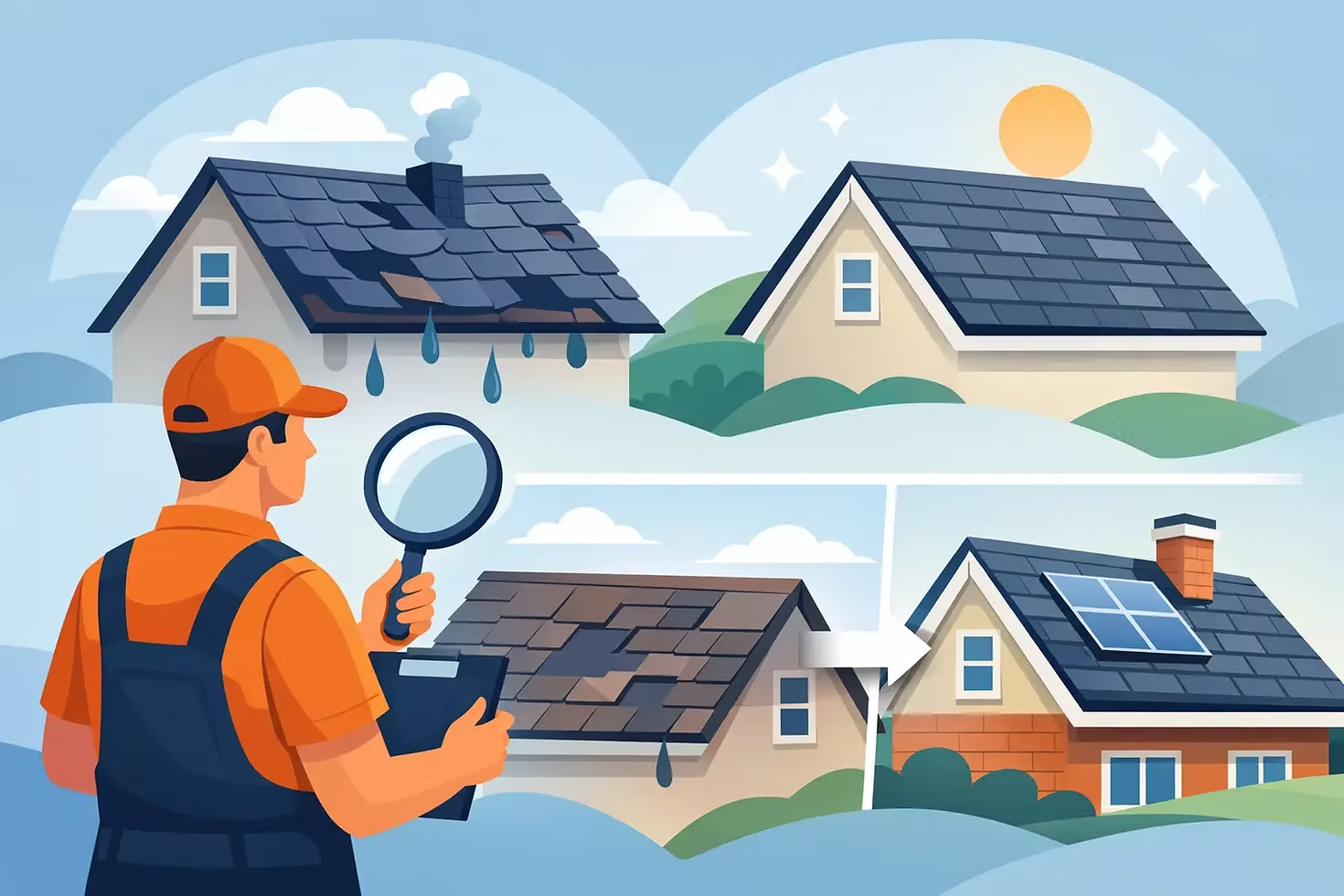
A roof usually does not fail all at once. It gives warnings first – missing shingles after a storm, dark streaks, recurring leaks, soft decking, or granules collecting in the gutters. If you are asking when a roof should be replaced, the real answer is not just about age. It is about how the roof is performing, how much damage is present, and whether another repair would actually solve the problem.
For homeowners and property owners in Alabama, that question often comes up after high winds, hail, heavy rain, or a denied sense of security when a ceiling stain suddenly appears. In many cases, a roof can be repaired. In others, replacement is the safer and more cost-effective move. The key is knowing the difference before a small issue turns into interior damage, mold, or insurance complications.
When Should a Roof Be Replaced Instead of Repaired?
A repair makes sense when the problem is limited, and the rest of the roofing system is still in good shape. If a few shingles blew off in one section or a flashing detail failed around a vent, targeted work may be enough. But when damage is widespread, repeated, or tied to the overall aging of the system, replacement usually becomes the better investment.
One of the clearest signs is repeated leaking in different areas. A single leak does not always mean the roof is finished. Multiple leaks, especially after every major rain, suggest the system is breaking down in more than one place. At that point, patching one spot at a time often becomes a cycle of temporary fixes.
Another red flag is visible deterioration across large sections of the roof. Curling shingles, bald spots where granules have worn away, cracked tabs, lifted edges, and exposed nail heads all point to a roof that is no longer sealing the way it should. If those conditions are spread across many slopes, repairs may cost a lot without restoring full protection.
Storm damage also changes the equation. Hail bruising, creased shingles, lifted tabs from wind, and impact damage to flashing can shorten the life of a roof quickly. Sometimes the damage is obvious from the ground. Sometimes it is only clear during a professional inspection. Either way, storm-related issues should be evaluated early, especially if an insurance claim may be involved.
Roof Age Matters, but It Is Not the Only Factor
People often want a simple number, but roofs do not all age the same way. An asphalt shingle roof may last around 15 to 30 years, depending on the product, installation quality, ventilation, weather exposure, and maintenance history. Metal roofs can last longer, but they still need replacement if panels, fasteners, seams, or underlayment begin to fail.
Alabama weather can shorten the expected lifespan. Heat, humidity, high winds, and storm activity put constant stress on roofing materials. A roof that looks acceptable on paper because of its age may still be at the end of its useful life in the field.
That is why age should be treated as one piece of the decision, not the whole decision. A 12-year-old roof with major storm damage may need full replacement. A 20-year-old roof that was well installed and has no meaningful damage may still have some life left. What matters is the current condition, not just the calendar.
Signs Your Roof May Be at the End of Its Life
Some warning signs are easy to spot, while others show up inside the home or building first. If you notice water stains on ceilings or walls, that may point to a roof issue, but the source is not always directly above the stain. Water can travel before it becomes visible.
Outside, look for shingle loss, curling, cracking, sagging areas, damaged flashing, and excessive granules in gutters or downspouts. Inside the attic, watch for damp insulation, daylight coming through boards, or signs of moisture on decking and framing.
Sagging deserves special attention. A roof that appears uneven or soft may indicate trapped moisture, rotted decking, or structural concerns. That is not something to monitor casually. It should be inspected promptly.
Commercial roofs have their own warning signs. Ponding water, membrane punctures, seam separation, blistering, and repeated leaks around penetrations can all point to a system that may be beyond repair. In low-slope roofing, small defects can spread wider than many owners realize.
When Storm Damage Pushes a Roof into Replacement Territory
After a strong storm, many property owners hope the damage is minor. Sometimes it is. But wind and hail can compromise a roof in ways that are not obvious at first glance. A shingle may still be attached, but creased badly enough that it will fail early. Granule loss may expose the asphalt layer below. Flashing may be bent just enough to allow water intrusion later.
This matters because storm damage is not only a roofing issue. It can also affect how a claim is documented and how the insurer evaluates the scope of loss. If damage is widespread across enough of the roof, replacement may be more appropriate than piecemeal repair. If matching materials are unavailable or the roof has been discontinued, the discussion can become even more important.
That is one reason many homeowners prefer working with a contractor who understands both roofing systems and insurance documentation. Bluefin Exteriors LLC serves Alabama property owners with that exact combination, helping simplify what is often the most frustrating part of the process.
Cost Is Important, but So Is Timing
It is natural to compare the cost of a repair against the cost of a new roof. The lower number often looks better at first. But if the repair only buys a short amount of time or if additional failures are likely, replacement may save money over the next few years.
There is also the cost of waiting too long. A roof that is already failing can lead to damaged insulation, stained drywall, mold growth, rotten decking, interior business disruption, and more expensive repairs below the roofline. Delaying replacement can turn a roofing project into a much larger restoration issue.
Timing matters for another reason. Replacing a roof before severe interior damage occurs gives you more control over the process. You can schedule inspections, review options, and make decisions with less urgency. Waiting until water is entering the home during every storm usually removes that flexibility.
A Professional Inspection Gives the Clearest Answer
The most reliable way to determine when a roof should be replaced is with a full inspection from a qualified roofing contractor. That inspection should look beyond surface appearance. It should consider the condition of shingles or membrane, flashing, ventilation, decking, leak history, repair history, and storm exposure.
A trustworthy inspection should also be honest. Not every roof needs replacing, and not every damaged roof can be saved with a simple repair. The goal should be clarity, not pressure.
For homeowners, that means getting a straightforward explanation of what was found, what can be repaired, what cannot, and how much useful life is realistically left. For commercial owners and managers, it means understanding whether ongoing maintenance is still a smart path or whether replacement is necessary to avoid recurring disruptions.
The Right Decision Is the One That Protects the Property
There is no single age or single symptom that answers the question for every roof. Some roofs need replacement because they are simply worn out. Others need it after one major storm. Others can continue performing well with targeted repairs and proper maintenance.
What you do not want is guesswork. If your roof is showing signs of age, leaking after storms, or carrying visible damage, it is better to get clear answers now than to wait for the next heavy rain to make the decision for you. A careful inspection can tell you whether repair still makes sense or whether replacement is the move that protects your home, your building, and your peace of mind.
