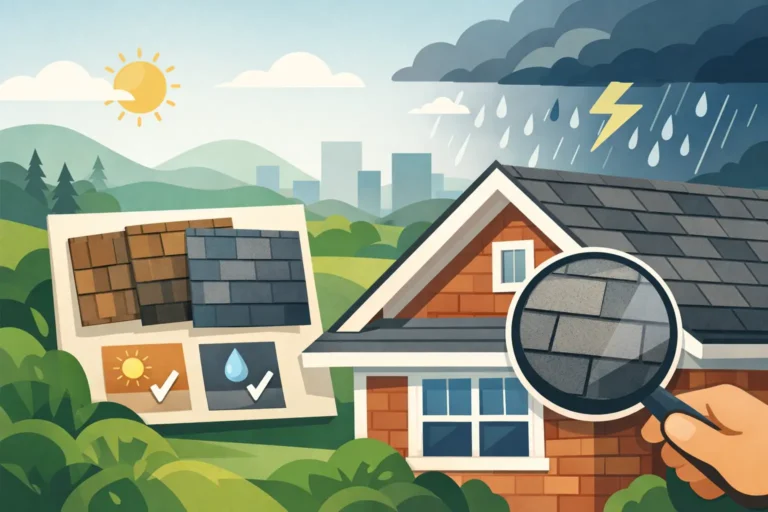
A shingle that looks good on a sample board may not be the right shingle for a roof facing Alabama heat, heavy rain, wind, and hail. Knowing how to choose roof shingles means looking beyond color and price. The best choice protects your property, fits the roof’s design, and makes sense for the condition of the existing roofing system.
For many homeowners in Tuscaloosa, Birmingham, and surrounding communities, the decision also comes after a storm. If damage may be covered by insurance, selecting materials too early or replacing only what is visible can create unnecessary complications. A professional inspection can identify the full scope of damage, document it properly, and help you make a decision based on facts rather than pressure.
Start With the Roof You Have
Before comparing shingle colors or brands, determine whether the roof needs a repair or a full replacement. A few missing shingles after a wind event may be repairable. Widespread granule loss, repeated leaks, curling edges, soft decking, or storm damage across several slopes can point to a replacement.
Age matters, but it is not the only factor. An older roof may still have useful life left if the shingles are intact and the underlying system is sound. On the other hand, a newer roof can require replacement after significant hail or wind damage. A thorough inspection should include the shingles, flashing, vents, gutters, valleys, pipe boots, and the attic area when accessible.
If you suspect storm damage, document what you see but avoid climbing on the roof yourself. Hail marks and wind damage are not always obvious from the ground, and foot traffic can cause additional damage. A no-pressure roof inspection gives you a clearer starting point before you spend money or open an insurance claim.
How to Choose Roof Shingles for Alabama Weather
Alabama roofs handle more than sunshine. High summer temperatures, humidity, driving rain, severe thunderstorms, occasional tornado-producing winds, and hail all affect how roofing materials perform. The right shingle should be evaluated for its ability to handle the weather your property actually sees.
Look at wind ratings
Wind resistance is a practical priority in Central and West Alabama. Standard architectural shingles often offer solid protection when they are installed correctly with the proper starter shingles, underlayment, nails, and ventilation. For homes in more exposed areas or properties with a history of wind claims, an upgraded wind-rated shingle may be worth considering.
The printed wind rating is only part of the story. A premium shingle installed over poor decking or with incorrect fastening will not perform as intended. Ask your contractor how the complete roofing system will be installed, including starter materials, ridge cap shingles, flashing, and ventilation.
Consider impact resistance after hail
Impact-resistant shingles are designed to better withstand hail and other impacts. Many carry a Class 4 impact rating, the highest commonly used rating for residential asphalt shingles. They can be a sensible option for homeowners who have experienced repeated hailstorms or want more protection from future events.
There is a trade-off: impact-resistant products typically cost more than standard architectural shingles. Some insurers may offer a premium discount for qualifying materials, but that varies by carrier and policy. Confirm any discount directly with your insurance provider before making the decision based on expected savings.
Do not overlook heat and ventilation
Dark shingles absorb more heat than lighter colors, although attic ventilation and insulation often have a larger effect on comfort and energy performance than shingle color alone. A properly balanced ventilation system helps reduce heat and moisture buildup in the attic, which supports shingle life and protects decking.
Choosing a lighter shade may still be appropriate for a home with significant sun exposure. The best answer depends on the home’s style, attic design, insulation, tree cover, and ventilation condition. A roof replacement is the right time to correct ventilation issues that may be shortening the life of the current roof.
Choose the Right Shingle Type
For most Alabama homes, architectural asphalt shingles offer the best balance of appearance, durability, and cost. They are thicker than basic three-tab shingles, create more dimension on the roof, and are available in a broad range of colors and performance levels. They are also easier to repair or replace than many specialty roofing materials.
Three-tab shingles remain a lower-cost option, but they generally have a flatter appearance and lower wind resistance than architectural products. They may make sense for a limited-budget repair or certain rental properties, but homeowners planning a long-term replacement usually prefer architectural shingles.
Designer or luxury asphalt shingles provide a more pronounced, layered look that can resemble slate or wood shake. They can improve curb appeal on larger or higher-end homes, but they add cost and may not be necessary for every property. The roof’s pitch, visibility from the street, and the home’s overall value should guide that choice.
A contractor should also discuss whether metal roofing is worth considering. Metal can be an excellent long-term material for the right home, but it has a different appearance, price point, and installation process. If you prefer asphalt shingles, there are strong options available without paying for a material that does not match your goals.
Match the Color to the Home, Not Just a Trend
Shingle color has a major effect on curb appeal because the roof covers so much of the home. Rather than choosing a color from a small sample alone, view full-size sample boards outside in natural light. A shade can look dramatically different in direct sun, shade, and overcast conditions.
Look at the brick, siding, stone, shutters, trim, and driveway color. Warm-toned brick often works well with weathered browns, soft blacks, and blended grays. Homes with cooler gray siding or white trim can look sharp with charcoal, black, or cooler gray shingles. A mixed-color shingle is often more forgiving than a solid color because it adds depth and hides minor debris or staining better.
Consider the neighborhood without trying to copy it exactly. A roof should fit the character of the home and support resale value. Extremely unusual colors can limit appeal, while a classic neutral tone tends to work well across changing exterior design trends.
Compare the Full Roofing System and Warranty
A roof is not just a field of shingles. It is a connected system that includes underlayment, ice and water protection where needed, flashing, ventilation, starter shingles, ridge caps, sealants, and fasteners. Water often enters at transitions and penetrations, not through the middle of a shingle field.
When reviewing an estimate, make sure it explains what will be removed, what materials will be installed, how damaged decking will be handled, and how the property will be protected during the project. A low price can leave out critical components that affect performance and long-term value.
Warranties deserve the same careful review. Manufacturer warranties typically cover material defects under specific terms. A workmanship or labor warranty covers the contractor’s installation. They are not interchangeable. Ask what each warranty covers, how long it lasts, and what steps are required if you ever need service.
Set a Budget That Accounts for the Real Scope of Work
The cost of a roof replacement depends on more than the shingle selected. Roof size, pitch, number of valleys, height, chimney and skylight details, access, tear-off requirements, decking repairs, and ventilation improvements all affect the final price. Two homes with similar square footage can have very different roofing costs.
If storm damage is involved, do not assume your insurance company will automatically approve a full replacement, and do not assume the first estimate tells the whole story. The claim should be supported by accurate damage documentation and a clear scope of work. A contractor with insurance claim experience can help explain the damage, provide needed documentation, and keep the process organized without making promises about claim outcomes.
It can be tempting to choose the least expensive shingle to keep the project cost down. That may be appropriate in some situations, especially when the property will be sold soon or the roof is a simple, low-risk structure. For a home you plan to keep, spending more on better wind resistance, impact resistance, or system components may provide greater peace of mind.
Get Clear Answers Before You Commit
A dependable contractor should be able to explain the material options in plain language and show you why one recommendation fits your roof better than another. You should know who will perform the work, whether the company is licensed and insured, how the site will be cleaned daily, and how final cleanup will be handled.
Do not feel rushed by a storm, a sales deadline, or a contractor who will not put the scope in writing. The right roofing decision is usually straightforward once you have a complete inspection, a detailed estimate, and a clear understanding of the material choices.
Bluefin Exteriors LLC helps Alabama property owners evaluate storm damage, select quality roofing materials, and navigate insurance documentation with a practical, no-pressure approach. A free inspection can give you the information you need to choose shingles with confidence and move forward when the time is right.
