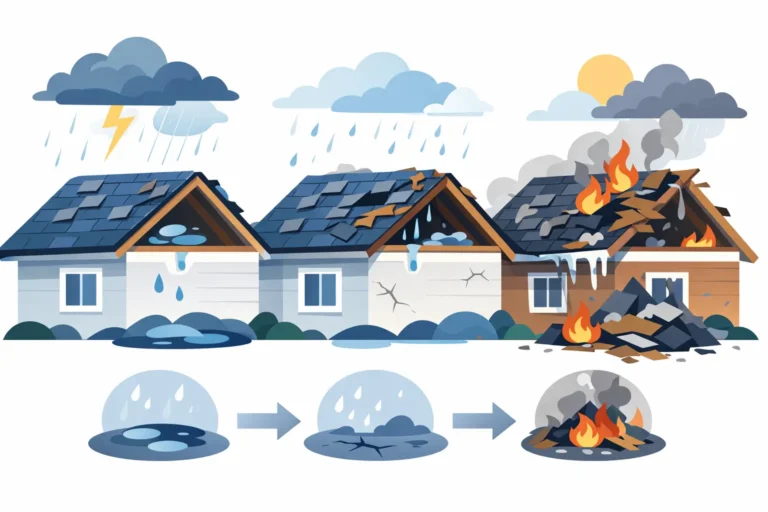
A roof can look mostly fine from the ground and still be one hard rain away from a much bigger problem. If you’re asking, can roof damage worsen quickly, the short answer is yes. In Alabama, where strong wind, hail, heavy rain, and heat all work against roofing systems, minor damage can turn into interior leaks, decking issues, mold growth, and higher repair costs faster than many property owners expect.
The part that catches people off guard is that roof damage rarely stays isolated. A lifted shingle can expose underlayment. A small puncture can let in moisture. A section of flashing that shifts during a storm can send water behind walls and into insulation long before a ceiling stain appears. What starts as a repair can become a much larger job if it goes unchecked.
Why roof damage can worsen quickly after a storm
Storm damage often creates weak points that are not obvious right away. Wind may not tear off half the roof, but it can loosen shingles just enough to break the seal. Once that seal is compromised, the next storm can lift more shingles, push rain underneath them, and expose the roof deck.
Hail creates a different kind of risk. On asphalt shingles, impact can knock away protective granules and bruise the mat below. The roof may still shed water for a while, but its life expectancy has already changed. Sun, heat, and more rain speed up the breakdown. What looked like cosmetic wear can become a leak path over time.
Metal roofs and commercial systems can also decline quickly after damage. Fasteners can loosen, seams can separate, and punctures in membranes like TPO or EPDM can widen with expansion and contraction. Even a small issue can spread when water gets under the system and starts affecting insulation or substrate materials.
How fast can roof damage get worse?
There is no honest one-size-fits-all timeline. Some damage gets worse in the next storm. Other issues take weeks or months to show themselves. The speed depends on the type of roofing system, the age of the roof, how severe the original damage was, and what weather comes next.
If a tree limb punctures a roof, deterioration can start immediately. If wind lifts a few shingles and more storms roll through, that damage can spread within days. If hail weakens the surface but does not create an active leak yet, the change may be slower, but the roof is still more vulnerable than it was before.
That uncertainty is exactly why delays are risky. Waiting to see whether the problem gets worse often means waiting until the damage is more expensive and harder to document.
Signs that roof damage is already spreading
The most obvious sign is water inside the building, but by the time you see a ceiling stain, moisture has usually been moving through the system for a while. Wet insulation, soft decking, damaged drywall, and hidden mold can all develop before visible interior damage shows up.
Outside, you may notice missing shingles, lifted tabs, exposed nails, granule loss in gutters, bent flashing, dented vents, or debris impact points. On commercial properties, ponding water, membrane wrinkles, open seams, and edge detail problems can signal that the roof is taking on water or becoming more vulnerable.
Sometimes the warning signs are subtle. A higher energy bill can mean wet insulation is no longer doing its job. A musty smell in an attic or upper room can point to trapped moisture. Even discoloration around soffits or fascia can indicate water is not staying where it should.
Can roof damage worsen quickly if there is no leak yet?
Yes, and that is one of the most common misunderstandings. A roof does not need to be actively leaking into your living room to be damaged. Wind damage, hail bruising, failed flashing, and punctures can all shorten the roof’s performance before water reaches the interior.
Think of it this way: the roof system is layered for protection. Once one layer is compromised, the next weather event tests everything underneath it. You may not see a leak today, but the roof can still be on a much shorter timeline than it was last week.
This matters for insurance claims too. If a storm caused the damage, timely inspection and documentation can make a real difference. The longer you wait, the harder it can be to separate storm damage from wear, aging, or damage from later events.
Why Alabama weather makes quick action more important
In Tuscaloosa, Birmingham, and surrounding areas, roofing systems deal with repeated stress. One storm can create damage, and the next storm can multiply it. Add summer heat, humidity, and heavy rainfall, and small vulnerabilities do not stay small for long.
High heat can bake damaged shingles and accelerate cracking. Humidity can keep moisture trapped where it should dry out. Sudden downpours can exploit even a small opening in flashing or underlayment. If your property has already been hit by hail or strong wind, it makes sense to assume the roof needs a closer look rather than hoping it rides out the season.
What property owners should do next
The best first step is not climbing on the roof yourself. After a storm, surfaces can be slick, unstable, or structurally weakened. A safe visual check from the ground is reasonable. If you see missing materials, fallen branches, visible dents, or interior water marks, it is time for a professional inspection.
A good inspection should do more than point at damage. It should identify what was affected, explain whether repairs are enough or whether replacement is the smarter route, and document the condition clearly if an insurance claim may be involved. That is especially helpful when the goal is not just fixing the roof, but also avoiding unnecessary back-and-forth with the carrier.
This is where an experienced local contractor can make the process easier. Bluefin Exteriors works with property owners who need clear answers, honest recommendations, and help navigating storm-related claims without added pressure.
Repair now or wait?
Sometimes waiting a short time is reasonable if weather is clear, the damage is minor, and temporary protection is in place. But that decision should come after an inspection, not before one. The problem with guessing is that roof damage often spreads out of sight.
A repair completed early is usually simpler and less disruptive. Once water reaches decking, insulation, ceilings, or wall assemblies, the project becomes more expensive and the timeline grows. On commercial buildings, delay can also affect tenants, inventory, operations, or liability.
There is also a practical cost issue. Small repairs often stay small only when they are handled early. If the roof continues to degrade, you may move from replacing a few components to replacing larger sections of the system.
When damage points to full replacement
Not every damaged roof needs to be replaced, but some do. If a storm has affected enough of the surface, if the roofing system is already near the end of its service life, or if repairs would leave too many weak areas behind, replacement can be the more responsible option.
The key is getting a recommendation based on actual condition, not a sales pitch. Property owners deserve to know the trade-off. A repair may cost less today but create recurring problems later. A replacement costs more upfront but may offer better long-term protection, warranty coverage, and insurance alignment depending on the scope of damage.
That is why a no-pressure inspection matters. You want someone who will tell you when a repair is enough and when it is not.
Can roof damage worsen quickly? Yes, and documentation matters too
The roofing issue itself can get worse fast, but so can the claim situation if it is left undocumented. Photos, inspection notes, material damage, and interior evidence all help establish what happened and when. If more storms arrive before the original damage is recorded, the situation becomes harder to sort out.
For homeowners and commercial property owners, the goal is simple: protect the building, control costs, and avoid preventable complications. A prompt inspection supports all three.
If your roof has been through a recent storm and something looks off, trust that instinct. You do not need to wait for water to drip from the ceiling to take it seriously. A timely inspection can give you clarity, preserve your options, and help you move forward before a manageable problem becomes a much more expensive one.
The smartest time to check a damaged roof is usually sooner than feels necessary.
