
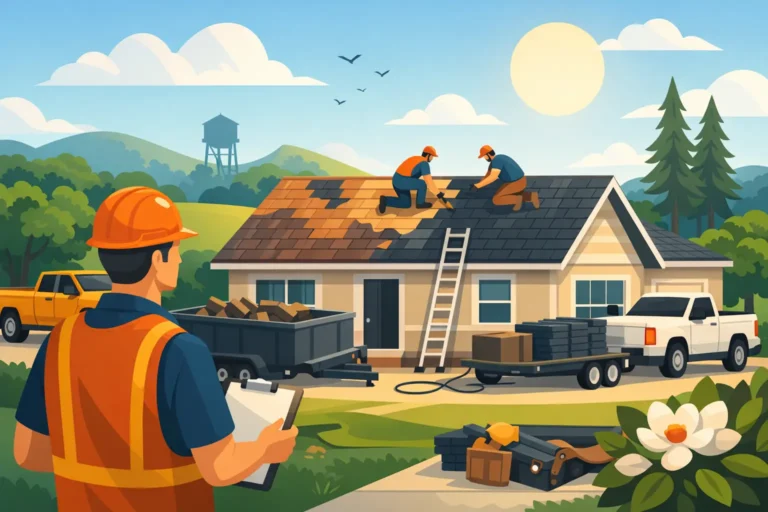
A roof replacement is a major project, but it should not feel like a mystery. Crews will be working overhead, materials will arrive in the driveway, and your normal routine may be interrupted for a day or two. Knowing how to prepare for roof replacement before the first shingle comes off helps protect your property, keeps the job moving, and lowers stress for everyone involved.
For homeowners and property managers in Tuscaloosa, Birmingham, and surrounding Alabama communities, preparation can be especially important after storm damage. If insurance is involved, a few organized steps before installation can help prevent confusion over approved work, supplements, and final documentation.
Confirm the Scope Before Work Begins
Start by making sure you understand exactly what is being replaced. Your contractor should explain the roofing material, color, ventilation plan, underlayment, flashing work, and any decking repairs that may be needed once the old roof is removed. A roof is a system, not just a layer of shingles. The details around valleys, chimneys, pipe boots, walls, and gutters matter just as much as the visible surface.
Ask who will be your main point of contact during the project and how change orders will be handled. Decking damage is one of the most common unknowns. It cannot always be confirmed until the existing roofing materials are removed. A dependable contractor will document what is found, explain the recommended repair, and discuss costs or insurance-related next steps before moving forward.
If your replacement follows a storm claim, keep your insurance estimate, claim number, adjuster information, photos, and contractor paperwork in one place. Compare the approved scope with the planned work. Insurance claims can be complicated, particularly when code-required upgrades or hidden damage are involved. Clear records make it easier to address questions without delaying the project.
Clear the Areas Around Your Home or Building
Roofing crews need safe access to the roof, staging areas for materials, and a clear path for debris removal. Move vehicles out of the driveway and away from the garage before the crew arrives. This protects them from falling debris and prevents anyone from being blocked in while work is underway.
Remove or relocate outdoor furniture, grills, potted plants, toys, flags, and decorative items near the house. If you have fragile landscaping close to the exterior walls, point it out during the pre-job walkthrough. Some plants can be covered or carefully tied back, though there are limits to what can be protected during active tear-off work.
Keep gates unlocked and make sure the crew can access electrical outlets if they have been identified as necessary. If you have a sprinkler system, turn it off for the workday. Water, muddy ground, and active roofing work are not a good combination.
For commercial properties, plan for deliveries, customer parking, employee entrances, and waste-container placement. A replacement may need to be scheduled around business hours, tenant needs, or high-traffic days. The best plan depends on the building and roofing system, but access and safety should be settled before materials arrive.
Protect the Inside of the Property
Roof replacement creates vibration. Most homes handle it without issue, but items hanging on walls, shelves, or in the attic can shift. Take down fragile pictures, mirrors, artwork, and wall decor, especially on upper floors. Secure breakable items on shelves and countertops.
If your attic is used for storage, cover belongings with drop cloths, sheets, or plastic sheeting. Small amounts of dust or debris can fall through gaps around decking, vents, or unfinished areas while old materials are removed. This is more likely in older homes, but covering stored items is an easy precaution in any house.
Move valuables away from exterior walls when possible. It is also wise to close interior doors to rooms you are not using. That will not eliminate noise, but it can help contain dust and make the home easier to manage during the workday.
Do not be alarmed by the sound. Tear-off, nail guns, compressors, and material movement can be loud. A standard residential replacement is often completed quickly, but the exact timeline depends on roof size, pitch, material type, weather, and unexpected repairs. Metal roofing and commercial systems may follow a different schedule than a typical asphalt shingle project.
Make a Plan for Children, Pets, and Daily Routines
A roof replacement is not a safe environment for children or pets. There may be nails, tools, ladders, deliveries, and workers moving around the property throughout the day. Arrange for children to spend the day elsewhere if possible, or keep them indoors and away from active work areas.
Pets often react strongly to roofing noise and unfamiliar people outside. Some may try to escape when gates are open or become distressed by the sound overhead. Boarding them, taking them to a family member’s home, or keeping them in a quiet interior room can make the day easier. Let the crew know about any pets on site, even if they will remain inside.
If you work from home, plan ahead. Video meetings, phone calls, and focused work can be difficult during a tear-off. Consider working from another location for the loudest part of the day. If you must stay home, choose a room away from the main work area and expect occasional interruptions.
Let Neighbors Know What to Expect
A simple heads-up is a good neighborly step. Let nearby neighbors know the approximate start date and that there may be noise, trucks, and temporary parking changes. This is particularly helpful on narrow streets, shared driveways, townhome communities, and properties with close lot lines.
Your contractor should manage the job site professionally, but a roof replacement is still active construction. There will be noise during working hours and crews may need space near the property to load materials or operate equipment. Giving neighbors notice can prevent avoidable frustration.
If you live in a neighborhood with a homeowners association, verify whether the roofing color, material, or permit documentation requires approval. Do not assume an insurance claim removes HOA requirements. In many communities, it does not.
Prepare for Weather and Job-Site Safety
Alabama weather can change quickly. Rain, lightning, extreme heat, and high winds can affect the schedule. Your contractor should monitor conditions and protect exposed areas if work must pause. However, homeowners should also avoid scheduling around travel, events, or other commitments that leave no room for a weather delay.
Before the project starts, identify any concerns that could affect safety. Mention low branches, loose power lines, uneven ground, locked gates, delicate hardscape, or special access needs. Never approach the crew while materials are being loaded or tossed from the roof. If you need to speak with the project lead, do so from a safe distance or wait until there is a natural break in the work.
At the end of each day, a professional crew should clean the site and use magnetic tools to collect stray nails. Still, it is smart to keep children, pets, and vehicles away from work areas until the final cleanup is complete. After the job, walk the property with the contractor and ask questions about cleanup, warranty coverage, and material care.
Know What You Need to Do on Installation Day
You do not need to supervise every step of the roof replacement. In fact, staying out of the work zone is usually the best way to help. Be available by phone, keep the agreed contact person informed, and make sure the crew can access the property as planned.
Before work starts, take a few photos of your driveway, landscaping, exterior walls, and any areas of concern. This is not about expecting problems. It is simply a practical record that helps everyone communicate clearly. Then allow the roofing team to do its job.
Bluefin Exteriors helps property owners prepare for the work as well as the paperwork, with no-pressure inspections and clear guidance when storm damage and insurance claims are part of the picture. A well-prepared project gives your crew room to work safely and gives you confidence that your property is being cared for from the first delivery through final cleanup.
The best preparation is not trying to manage the roof from the ground. It is asking clear questions, securing your property, planning for temporary disruption, and choosing a contractor who treats your home or building with the same care you do.
