A commercial roof can look perfectly flat from the parking lot and still be one storm away from a costly leak. That is why the best commercial roofing systems explained starts with more than material names. Property owners need to know how a roof will handle Alabama heat, heavy rain, ponding water, wind, rooftop equipment, and the day-to-day demands of the building beneath it.
The right answer depends on the roof deck, slope, drainage, budget, building use, and the condition of the existing roof. A low-cost option that does not fit the building can create recurring repair expenses. A higher-priced system may be the smarter investment when it protects inventory, tenants, operations, or insurance eligibility.
Best Commercial Roofing Systems Explained for Alabama Buildings
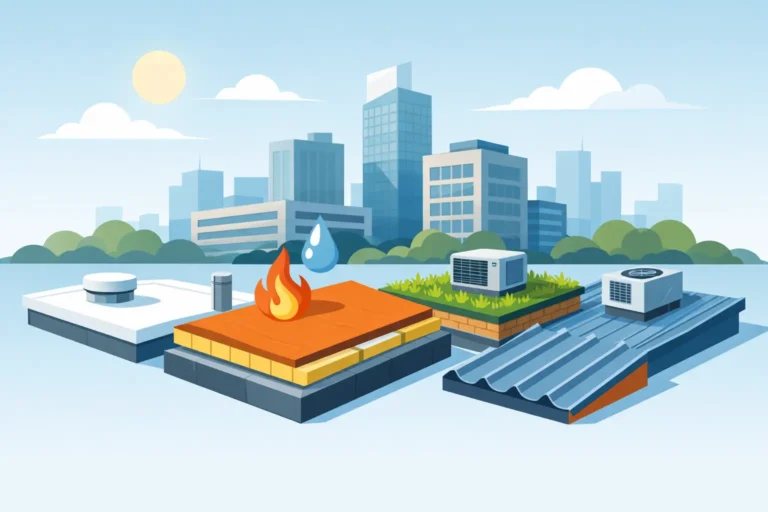
Most commercial roofs in Tuscaloosa, Birmingham, and surrounding communities use one of five primary systems: TPO, PVC, EPDM, metal, or a fluid-applied coating. Each has a place. The goal is not to select the material with the best marketing claim. It is to select the system that addresses the building’s actual risks.
TPO roofing
TPO, or thermoplastic polyolefin, is one of the most common commercial roofing choices for low-slope buildings. It is typically installed as a white, single-ply membrane with heat-welded seams. Those welded seams are a major benefit because they create a strong connection that helps resist leaks when installed correctly.
TPO reflects sunlight well, which can reduce heat absorption and help improve energy efficiency in Alabama’s long summers. It also resists many common roofing contaminants and performs well on warehouses, retail buildings, offices, and other structures with broad, low-slope roof areas.
The trade-off is that TPO quality and installation details matter greatly. Membrane thickness, attachment method, flashing work, insulation, and drainage all affect performance. A roof is not protected simply because it is white or new. A proper inspection should identify weak seams, open penetrations, edge details, and areas where water sits after rain.
PVC roofing
PVC is another white, heat-welded single-ply membrane. It offers many of the same benefits as TPO, including reflective performance and strong welded seams, but it is often favored for buildings exposed to grease, oils, chemicals, or exhaust. Restaurants, commercial kitchens, and certain industrial facilities can be good candidates for PVC.
PVC commonly costs more than TPO, so it may not be necessary for every building. However, where chemical exposure is a real concern, the added resistance can protect the roof from premature deterioration. For an owner comparing the two, the question is less about which membrane is universally better and more about what reaches the roof surface and how the building operates.
EPDM roofing
EPDM is a synthetic rubber membrane, often recognized by its black surface. It has a long track record in commercial roofing and can be a practical option for many low-slope applications. EPDM is flexible, handles temperature changes well, and can be installed in large sheets with fewer seams than some alternatives.
A black EPDM roof absorbs more heat than a white reflective membrane. That does not automatically rule it out, but it does make energy performance worth discussing for Alabama properties. White EPDM options and reflective coatings may also be available in certain situations.
Seams are a key point of attention with EPDM. They are typically taped or adhered rather than heat-welded. Quality materials and precise installation make a meaningful difference, especially around penetrations, transitions, and roof edges. When an EPDM roof is aging, a contractor should determine whether repairs, a coating, or full replacement offers the best value.
Metal roofing
Commercial metal roofing is a strong choice for buildings with enough slope to shed water effectively. Standing seam metal systems are known for longevity, clean appearance, and excellent water-shedding ability. They can work particularly well for churches, offices, retail properties, agricultural buildings, and facilities where a long service life is a priority.
Metal does require a larger upfront investment in many cases. It also requires careful attention to panel movement, fasteners, flashings, penetrations, and transitions. A minor issue at a screw, seam, ridge, or wall connection can become a leak path during wind-driven rain.
For storm-prone Alabama properties, metal should be evaluated as a complete system, not just as panels. The deck condition, attachment details, wind requirements, insulation, and drainage all deserve attention. A well-designed metal roof can be an excellent long-term solution, but it is not a shortcut around quality installation.
Commercial roof coatings
A roof coating is a liquid-applied material that cures into a protective membrane over an existing roof. Silicone, acrylic, and urethane coatings are common options. When the existing roof is structurally sound and leaks are limited to repairable areas, a coating can extend service life without the disruption and expense of a full tear-off.
Coatings are especially useful when a property owner needs to control costs, improve reflectivity, and maintain business operations with minimal interruption. Silicone often performs well in areas with standing water, while acrylic can be a cost-effective reflective solution on roofs with good drainage. The best coating depends on the existing substrate and conditions.
A coating is not a fix for a failing roof deck, widespread trapped moisture, major storm damage, or poor drainage. Applying a coating over damaged materials can hide a problem briefly while allowing deterioration below the surface to continue. Moisture testing and a thorough inspection should come before any coating recommendation.
How to Choose the Right Commercial Roof
Material selection should follow an inspection, not a guess. A professional assessment can identify whether the roof needs targeted repair, restoration, or replacement and whether storm damage may support an insurance claim.
When comparing systems, consider these five practical factors:
- Roof slope and drainage: Low-slope roofs need reliable membrane performance and properly designed drains, scuppers, gutters, and tapered insulation. Ponding water should never be treated as normal without evaluating the cause.
- Building use: A restaurant may benefit from PVC’s chemical resistance, while a warehouse may prioritize TPO reflectivity and broad-area coverage. A metal system may suit a sloped building designed for long-term ownership.
- Existing roof condition: A sound roof may qualify for restoration. Saturated insulation, damaged decking, or widespread membrane failure often points toward replacement.
- Budget and ownership plans: The least expensive initial option is not always the least expensive over time. Consider expected service life, repair frequency, energy use, and planned property ownership.
- Storm and wind exposure: Alabama storms can damage membranes, metal panels, flashings, drains, and rooftop equipment. After severe weather, documentation should happen quickly, before damage worsens or evidence disappears.
Installation Details Matter as Much as the Material
A commercial roofing system is more than the visible surface. It includes the deck, vapor barrier when needed, insulation, membrane or panels, seams, flashings, edge metal, drains, penetrations, and rooftop curbs. The weakest detail can compromise an otherwise high-quality roof.
This is why property owners should be cautious about proposals that list only a material name and a square-foot price. A clear scope should explain what will happen at drains, parapet walls, HVAC curbs, skylights, expansion joints, edges, and existing wet materials. It should also address how the site will be protected and cleaned during the project.
For buildings affected by hail, wind, or falling debris, photos and written findings matter. Commercial insurance claims can involve roofing damage that is not obvious from the ground. An experienced contractor can document conditions, explain the repair or replacement scope, and help the owner communicate clearly with the insurance carrier without promising an outcome the policy does not support.
When Repair, Coating, or Replacement Makes Sense
A repair is often appropriate when damage is isolated, the roof still has useful life, and the problem can be corrected without creating a patchwork of repeat failures. Examples include a damaged flashing, a puncture near rooftop equipment, or a limited seam issue.
A coating can make sense when the existing membrane is dry, stable, and nearing the point where added protection will preserve it. It is a restoration strategy, not a substitute for correcting serious underlying problems.
Replacement becomes the responsible choice when leaks are recurring, insulation is saturated, storm damage is widespread, seams are failing across the roof, or the system has reached the end of its service life. While replacement is a larger project, it gives the owner a chance to correct drainage, improve insulation, and install a system matched to the building’s future.
A commercial roof should give a property owner confidence, not a running list of bucket locations. If you are seeing leaks, ponding water, storm damage, or rising repair bills, a no-pressure inspection can bring clarity before a small roofing issue disrupts your business. Bluefin Exteriors can help you understand what the roof is telling you and what a practical next step looks like.
