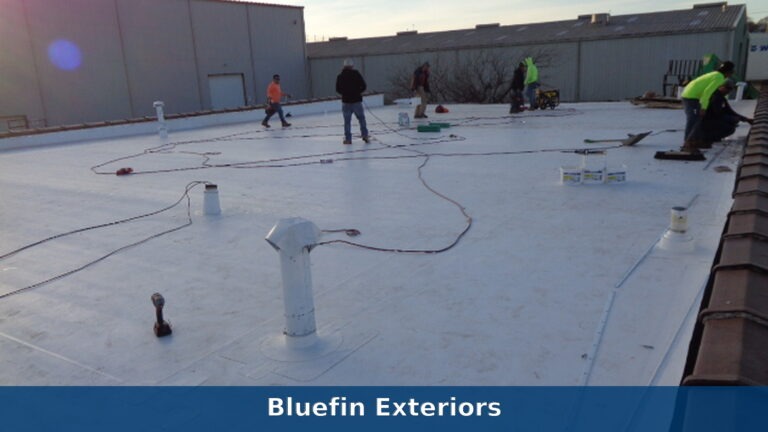
A small pond near a roof drain can become a costly interior leak after the next Alabama downpour. That is why a commercial flat roof maintenance guide should focus on what property owners can identify early, what requires a professional inspection, and how to document conditions before damage spreads. Consistent maintenance protects tenants, inventory, equipment, and the operating budget behind your building.
Flat roofs are not truly flat. They are designed with a slight slope that moves water to drains, scuppers, or gutters. When that drainage path is blocked or the membrane is compromised, water can work beneath the roofing system and cause damage that is not visible from the ground. A practical maintenance routine gives you time to address minor issues before they become an emergency repair or a larger insurance claim.
A Commercial Flat Roof Maintenance Guide Starts With a Schedule
Commercial roofs need attention throughout the year, not only when a leak appears. For most Alabama properties, schedule a professional roof inspection at least twice a year, commonly in spring and fall. Add an inspection after a major hailstorm, high-wind event, or period of heavy rainfall.
Spring inspections help identify damage from winter weather, standing water, and debris buildup. Fall inspections prepare the roof for leaf accumulation, colder temperatures, and seasonal storms. Buildings with many rooftop units, mature trees nearby, frequent foot traffic, or a history of leaks may need more frequent checks.
Your maintenance schedule should also include routine visual checks by a facility manager or designated staff member. This does not mean employees should walk on the roof without training or safety measures. A view from accessible areas, along with a look at ceiling tiles, exterior walls, drains, and downspouts, can reveal early warning signs between professional visits.
Keep Drains and Water Paths Clear
Drainage is one of the most important parts of commercial flat roof maintenance. Leaves, branches, dirt, tennis balls, packaging, and even small pieces of roofing material can restrict drains and scuppers. Once water starts ponding, it adds weight to the roof surface and puts more stress on seams, flashing, and low areas.
After heavy rain, look for water that remains on the roof longer than 48 hours. A small amount of temporary water may be expected after a storm, but persistent ponding deserves a closer evaluation. The cause may be a blocked drain, a compressed insulation area, a damaged drain bowl, or a roof section that no longer sheds water properly.
Downspouts and gutters matter, too. Water that cannot leave the building perimeter can back up into the roof edge or create erosion near the foundation. Keep these components clear and make sure discharge points direct water away from the building.
Check the Membrane, Seams, and Flashing
Whether your building has TPO, PVC, EPDM, modified bitumen, metal, or a roof coating, the surface needs regular inspection. Each system has different strengths, but all commercial roofs have vulnerable transition points where materials meet, move, or terminate.
A professional should check seams, penetrations, curbs, parapet walls, coping, skylights, roof edges, and flashing around HVAC equipment. These locations experience movement from temperature changes, wind, vibration, and service traffic. A loose seam or cracked sealant around a pipe may look minor, yet it can allow water into insulation or the roof deck.
Watch for visible signs such as open laps, wrinkles, punctures, blisters, exposed fasteners, cracked sealant, loose edge metal, and deteriorated flashing. On single-ply systems, avoid dragging equipment or sharp materials across the membrane. On coated roofs, worn or thin areas may indicate the coating needs maintenance before the underlying system is exposed.
Roof traffic should be controlled. HVAC technicians, electricians, and other service providers may need roof access, but unplanned foot traffic can create punctures and scuffs. Designate walking paths where appropriate, and ask contractors to report any roof damage they notice while servicing equipment.
Give Storm Damage Immediate Attention
North and central Alabama weather can change quickly. Hail, high winds, wind-driven rain, fallen limbs, and debris can damage a commercial roofing system without creating an immediate active leak. Waiting until water enters the building can make the repair more complicated and may increase the chance of damage to insulation, ceilings, inventory, and electrical systems.
After a significant storm, inspect the property from the ground for displaced metal, damaged gutters, fallen branches, loose rooftop equipment covers, and water stains inside the building. Do not climb onto a storm-damaged roof or attempt temporary repairs in unsafe conditions. A professional inspection can identify damage that is difficult to see, including bruised membranes, lifted seams, punctures, and compromised flashing.
If active leaking occurs, protect the interior first. Move inventory and electronics away from the affected area, place containers to catch dripping water where safe, and document the condition with dated photos. Then arrange for a roofing professional to assess the source and recommend the right repair.
Do Not Ignore Interior Clues
A roof leak does not always show up directly below the damaged area. Water can travel along decking, insulation, structural members, or conduits before it becomes visible indoors. That is why maintenance staff should take new stains, peeling paint, musty odors, bubbling wall finishes, and damp ceiling tiles seriously.
Repeated issues in the same area can point to a drainage problem, failing flashing, or a roof penetration that needs attention. Report the exact location, when it appears, and whether it happens only during wind-driven rain. Those details help a roofing contractor narrow down the source without guessing.
Maintain Clear Records for Repairs and Claims
Good records make roof maintenance more effective and can be valuable after a covered storm event. Keep a simple file with inspection dates, repair invoices, photographs, warranty information, storm dates, and notes about leaks or drainage concerns. Include records of HVAC work and other rooftop service calls, since those visits can affect roof conditions.
If storm damage may support an insurance claim, documentation should begin as soon as it is safe to do so. Take wide photos showing the building and close photos showing visible damage or interior impacts. Record the date of the storm, the date damage was discovered, and any temporary measures used to prevent further loss.
Insurance coverage depends on your policy, deductible, cause of loss, and the documented condition of the property. A qualified roofing contractor can provide inspection findings, photos, repair recommendations, and the supporting information needed to communicate clearly with your insurer. Bluefin Exteriors helps commercial property owners understand roof damage and organize the roofing details needed for the claims process.
Know When Repair Is Enough and When It Is Not
Not every roof issue requires replacement. Localized punctures, failed pipe flashing, small seam separations, and isolated drain problems can often be repaired when the overall system is in good condition. Prompt repair is usually less disruptive and less expensive than waiting for the damage to spread.
Replacement may be the better decision when leaks are recurring, insulation is saturated across a broad area, seams are failing in multiple locations, or the roofing system is near the end of its service life. The right choice depends on the roof type, age, prior repairs, drainage design, and the condition of the deck below. A straightforward inspection should explain those findings clearly, without pressure to replace a roof that can still be repaired.
A commercial roof is easier to protect when maintenance happens before the next storm, not after water reaches the ceiling. Set your inspection dates, keep drainage paths clear, and address small changes quickly. That steady attention gives you more control over costs and more confidence when Alabama weather turns severe.
