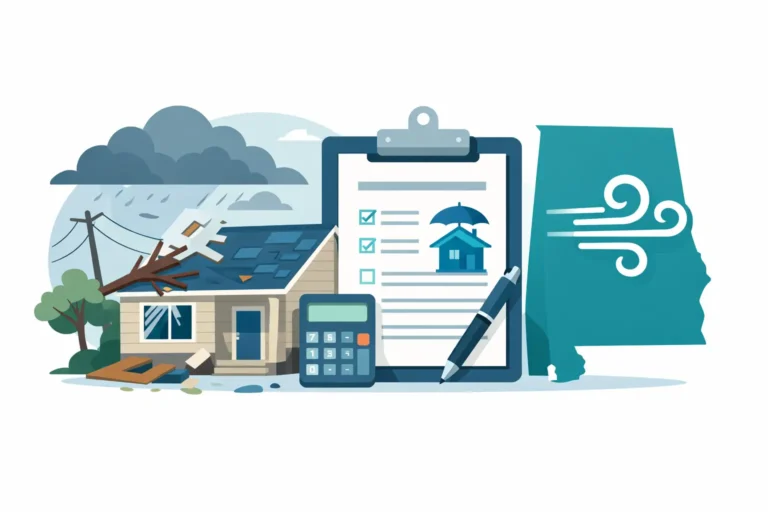
A homeowner wind claim case study is most useful when it shows what happens between the storm and the final repair. For many Alabama homeowners, the hard part is not noticing a few shingles in the yard. It is knowing whether the roof has real storm damage, what to document, and how to respond when an insurance claim does not immediately reflect the condition of the roof.
The following is an illustrative composite based on common wind-damage situations homeowners face in the Tuscaloosa and Birmingham areas. Every roof, policy, and claim decision is different, but the process shows why a timely inspection and clear documentation can make a meaningful difference.
Homeowner Wind Claim Case Study: From Damage to Repair
A homeowner noticed shingle tabs on the ground after a strong line of thunderstorms moved through the area. From the street, the roof looked mostly intact. There was no obvious hole, no water dripping through the ceiling, and no dramatic section of missing shingles.
That is a situation where many property owners wait. Sometimes waiting is reasonable. A few loose pieces of debris may not mean the roof needs replacement. But wind damage is often difficult to judge from the ground. Lifted, creased, or broken shingles can lose their ability to seal properly even when the roof still appears whole from below.
The homeowner requested a no-pressure roof inspection. During the inspection, the roofing professional found wind creases across multiple slopes, displaced shingles near the ridges, and exposed fasteners in a few areas. The roof also showed signs of granule loss around damaged shingles. No single issue told the whole story. Taken together, the findings indicated that the storm had affected the roof’s ability to protect the home over time.
Photos were taken of each affected slope, along with wider images that established where the damage appeared on the roofing system. The inspection notes also identified the roof type, the materials present, and conditions that could affect the scope of repairs. This gave the homeowner a factual record before speaking with the insurer.
Why the first inspection mattered
The homeowner did not need a contractor to promise a claim approval. No reputable roofing company can make that promise because the carrier determines coverage under the policy. What the homeowner needed was a clear assessment of the roof and documentation that explained the observed damage in plain language.
A professional inspection also helped separate storm-related concerns from normal age-related wear. That distinction matters. Insurance policies often have specific terms, exclusions, deductibles, and payment methods. A roof can be worn without being storm-damaged, and a storm-damaged roof can still require an insurer to evaluate the policy before approving any work.
The Claim Process: Documentation Before Assumptions
After reviewing the inspection findings, the homeowner chose to file a wind claim. The claim was reported promptly, and the homeowner kept the claim number, the date of loss, and all communication in one place. The contractor provided the inspection photos and damage notes so the homeowner could describe the issue accurately when speaking with the carrier.
When the insurance adjuster scheduled an inspection, the contractor met at the property to discuss the roof findings and point out the documented areas of concern. The purpose was not to argue for a particular outcome. It was to make sure the adjuster had a clear view of the same conditions found during the contractor’s inspection.
This step can reduce confusion. Adjusters work from the policy, their inspection, and their estimating guidelines. Contractors understand how roofing materials are installed, how wind damage can affect them, and what is required to complete a proper repair or replacement. When both are looking at the same roof conditions, the homeowner is less likely to be left translating technical details alone.
The initial estimate included repairs to several roof sections and related components. After comparing that estimate with the documented conditions and the requirements for completing the work correctly, questions remained about whether the approved scope addressed all affected areas. Additional photos and supporting information were submitted for review.
The final claim outcome reflected the carrier’s determination after that review. The homeowner then had a defined scope of work, an estimate, and a clear understanding of the deductible responsibility before scheduling the project.
What homeowners should understand about deductibles
A deductible is the homeowner’s share of a covered loss under the insurance policy. It is not a discount that a contractor should waive, absorb, or hide in the estimate. In Alabama, homeowners should be cautious of anyone who suggests otherwise.
Before work begins, ask for a written breakdown of the approved insurance amount, the deductible, any upgrades you choose, and any work that falls outside the approved scope. Clear numbers prevent surprises and help you make a confident decision about the project.
Choosing Repair or Replacement After Wind Damage
The right solution depended on the pattern and extent of damage. In this case, isolated repair was considered, but the damage appeared on more than one slope and affected the roof’s overall performance. Material availability and the ability to make a proper, code-conscious repair also had to be considered.
Repair is often the better choice when damage is limited, matching materials are available, and the surrounding roof remains in sound condition. It can be faster and less disruptive. Replacement may be the better path when wind damage is widespread, repairs would be impractical, or the roof has reached a point where piecemeal work would not provide dependable protection.
This is where homeowners benefit from direct answers instead of pressure. A roofing contractor should explain what was found, what the approved scope covers, and what each option means for the home. The goal is not to sell the largest project. It is to restore the roof correctly.
Completing the Work Without Adding Stress
Once the scope and materials were confirmed, the homeowner selected replacement shingles that fit the home’s style and budget. The work plan covered removal of the existing roofing materials, inspection of the roof deck as exposed, replacement of damaged components when needed, installation of the new roofing system, and thorough cleanup.
A roof replacement is disruptive by nature, but good project management keeps it manageable. The homeowner received clear scheduling expectations and knew whom to contact with questions. Landscaping and outdoor areas were protected as practical, and the crew performed a detailed cleanup after the installation.
The completed roof gave the homeowner more than a fresh appearance. It restored the weather barrier that had been compromised by the storm and provided confidence heading into Alabama’s next round of severe weather.
Lessons From This Wind Claim Case Study
The biggest lesson is simple: do not rely on a ground-level view after high winds. Missing shingles are easy to spot, but lifted seals, creases, punctures, and displaced components may not be visible from the yard. A free professional inspection gives you information before small damage becomes an interior leak or a larger repair.
Second, document early. Take photos of any visible debris, damaged gutters, fallen branches, or interior staining. Note the storm date and save communications from your insurer. Then let a qualified roofing professional inspect the system safely. Walking a roof without the right equipment can create a safety risk and may cause additional damage.
Third, keep the insurance process grounded in facts. Your policy controls coverage, and the carrier makes the final claim decision. A contractor with insurance claim experience can help document damage, meet the adjuster, explain the construction scope, and keep the repair process organized. That support is especially valuable when the paperwork feels as overwhelming as the storm itself.
For homeowners in Tuscaloosa, Birmingham, and nearby Alabama communities, Bluefin Exteriors provides honest, no-pressure roof inspections and practical insurance claim help after wind events. If a recent storm left you wondering about your roof, getting clear answers now can protect your home long before the next storm arrives.
