A storm can damage a roof in minutes, but an insurance claim may take weeks or months to resolve. That gap is why roofing claim automation trends matter to Alabama homeowners and commercial property owners. New tools can move photos, measurements, estimates, and claim updates faster than traditional paperwork. Used well, they can reduce delays. Used carelessly, they can also miss the real-world details that determine whether a roof is properly restored.
For property owners in Tuscaloosa, Birmingham, and nearby communities, the goal is not more technology for its own sake. The goal is a clearer claim, accurate documentation, and a roof repaired or replaced to protect the building for years to come.
Roofing Claim Automation Trends Changing the Process
Insurance claims have always involved documentation: photos, inspection notes, repair scopes, material records, estimates, and communication with the carrier. Automation is changing how that information is collected, organized, and reviewed.
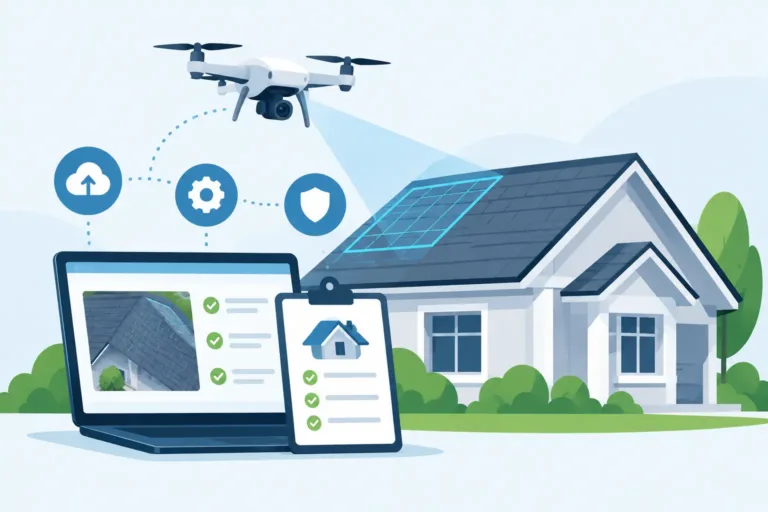
The biggest shift is speed. A contractor can now document visible storm damage with a mobile device, create a detailed photo report, and organize those findings into an estimate without relying on scattered emails or handwritten notes. Insurers also use software to process routine claim information, flag missing details, and send status updates.
That can be helpful after widespread wind or hail events, when thousands of property owners may file claims at once. Faster intake and better-organized files can mean fewer avoidable back-and-forth requests.
Still, a fast claim is not automatically a complete claim. Roofing systems are not identical, and storm damage does not always fit neatly into a standard checklist. A roof inspection still needs qualified eyes on the property.
Faster Measurements and More Detailed Documentation
One of the most practical trends is the use of aerial imagery, digital measurement tools, and inspection apps. These tools can estimate roof dimensions, identify slopes, calculate waste factors, and help prepare material quantities before work begins.
For a straightforward roof, digital measurements can save time and reduce estimating errors. They are especially useful when a roof is steep, large, or difficult to access safely. On commercial properties, digital documentation can also help organize information across large roof sections and multiple penetrations.
But measurements are only one part of the scope. Software cannot always confirm the condition of flashing, soft metal damage, damaged vents, compromised decking, or whether previous repairs have created hidden concerns. It may not capture how a specific roofing system was installed or what matching materials are available locally.
That is why the best process combines technology with an on-site inspection. The digital report should support the field assessment, not replace it.
Photo Reports Are Becoming More Important
Clear photo documentation has become a central part of storm-damage claims. Modern inspection platforms allow contractors to label photos by roof slope, damage type, and location. Instead of receiving a folder full of unexplained images, a property owner and insurance representative can see a more organized record of what was found.
This is particularly valuable for hail and wind claims. Hail impacts may be subtle from the ground, while wind damage can include lifted, creased, or missing shingles that need to be documented before temporary repairs or further weather change the roof’s condition.
Good photos do not prove every claim by themselves. They do, however, make the conversation more specific. A well-documented file gives everyone a better starting point than vague descriptions of “storm damage.”
AI Can Organize Information, Not Inspect Your Roof
Artificial intelligence is entering both roofing and insurance workflows. Some systems can sort images, recognize common damage patterns, review estimates for missing line items, or route claim documents to the right department. These tools may help speed up routine tasks that previously required significant administrative time.
For property owners, that may mean quicker updates, fewer lost documents, and a more organized approval process. It can also help a contractor spend less time on repetitive data entry and more time explaining the repair plan.
There are limits. AI works from the information it receives. If photos are unclear, the inspection is incomplete, or the software applies an overly broad assumption, its output may not reflect the actual condition of the roof. It also cannot make judgment calls the way an experienced roofing professional can when a repair is technically possible but a full replacement is the safer long-term solution.
Property owners should be cautious about anyone who promises that technology guarantees claim approval. Insurance coverage depends on the policy, the cause of damage, the deductible, the adjuster’s findings, and the documentation available. No app can change those fundamentals.
Automated Estimates Need a Human Review
Estimating platforms can create a repair or replacement scope much faster than manual calculations. They can account for roof size, pitch, material type, tear-off work, underlayment, ridge components, flashing, and other common items. This is a useful starting point, especially after a major storm.
The trade-off is that software often relies on templates and default assumptions. Those assumptions may not reflect every property. A complex roof may require additional labor. A commercial roof may have drainage issues, curb details, edge metal, or membrane conditions that need a more tailored scope. Older homes can reveal deck damage once shingles are removed.
A proper estimate should be reviewed by someone who understands the roof system and local building requirements. It should also be explained in plain language. Property owners deserve to know what work is included, what may be discovered during construction, and how supplements are handled if legitimate storm-related damage was not visible during the initial inspection.
Claim Updates Are Becoming Easier to Track
Another useful automation trend is customer communication. Text alerts, digital document portals, electronic signatures, and scheduled status updates can make a claim feel less confusing. Rather than wondering whether an estimate was sent or whether an insurer requested more information, a property owner can receive clearer updates at each stage.
That is valuable, but communication should not become impersonal. A claim portal is convenient when it gives you access to documents. It is frustrating when it becomes the only way to get an answer. Roofing and insurance claims often raise questions that need a direct conversation, especially when an insurer’s scope differs from the contractor’s inspection findings.
At Bluefin Exteriors, the right balance is simple: use efficient tools to keep the process moving, while making sure property owners can still speak with someone who understands both the roof and the claim paperwork.
What Automation Cannot Do for You
Technology can help organize a claim, but it cannot decide what is best for your property. It cannot inspect your attic for signs of active leaks, explain a policy exclusion, or determine whether a repair will properly integrate with an aging roofing system.
It also cannot protect you from poor workmanship. Even with an accurate estimate and quick approval, the finished roof depends on proper installation, quality materials, careful cleanup, and a contractor willing to stand behind the work.
For homeowners, the most useful questions remain practical: Has the roof been inspected in person? Are the photos and findings explained clearly? Does the repair scope address the actual damage? Will the contractor help document legitimate issues for the insurer without making promises they cannot keep?
For commercial property decision-makers, add questions about system compatibility, drainage, disruption to operations, warranties, and maintenance planning. Automation can organize these decisions, but it does not remove the need for experienced project oversight.
A Better Way to Use Roofing Claim Technology
The best roofing claim process uses automation as a tool, not a substitute for accountability. Digital measurements can improve efficiency. Photo reports can strengthen documentation. Estimating software can speed up a complete scope. Claim portals can keep records accessible.
Then an experienced local contractor should verify the details, communicate honestly, and perform the work with care. That combination helps reduce stress without treating a roof like a line item on a screen.
If your property has been through wind, hail, or heavy rain, start with a no-pressure roof inspection while the damage can still be properly documented. The right technology can make the next steps easier, but the right people make sure those steps lead to a roof you can rely on.
